Crypto Trading Simulator Risk and Security Guide
Protect gains from crashes, hacks, and your own overconfidence.
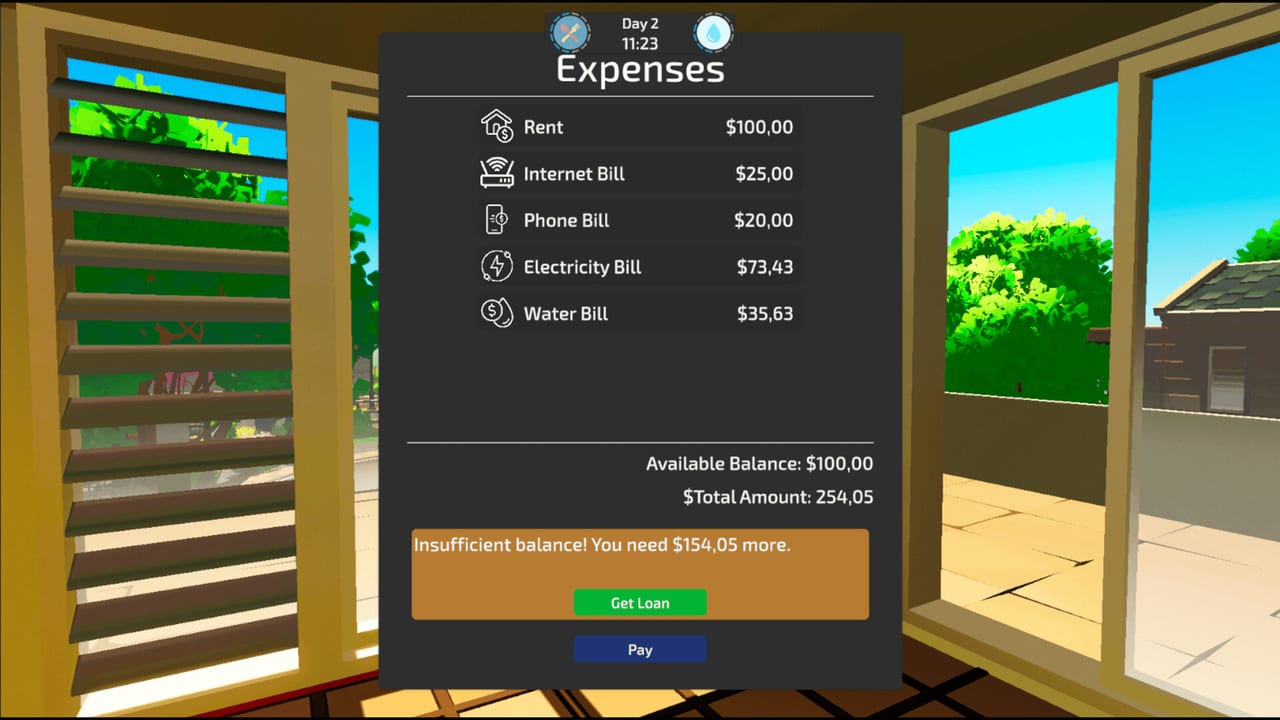
Risk is the real skill check
Anyone can click buy in Crypto Trading Simulator. The skill check is surviving long enough for compounding and office progression to matter. This guide covers practical risk habits for Early Access—spot first, then carefully unlocked margin—plus security upgrades, mining heat bills, and why unfinished software bots should not excuse bad sizing.
Core companions: How to Trade, Position Risk Planner, and How to Survive Bills.
Define risk before entry
Risk percent is the portion of tradable capital you are willing to lose if invalidation hits. It is not the portion you expect to win. Steps:
- Separate bill floor cash from tradable cash.
- Choose a small risk percent while learning.
- Convert that percent into position size with entry and stop prices.
- If the size feels exciting, it is probably too large.
Stop-loss philosophy
Whether you use mental stops or in-game auto modules as they expand, the philosophy stays identical: pre-commit to a price that proves you wrong. Moving stops further because you “need room” usually means the trade was oversized or poorly timed. Event gaps can still hurt—reduce size before major feed shocks using Social Feed and Events.
Security fantasy versus habits
As wallets grow, the game fantasy introduces firewalls and anti-hack software against digital thieves. Buy protective upgrades when they exist and when balances justify them—see Office Upgrades and Upgrade Priority. Habits still matter: do not leave reckless size running while you AFK renovate the room.
Margin and leverage caution
Players already ask about margin trades. Deeper leverage systems are part of the Early Access roadmap, not a guarantee in every current build. When leverage lands:
- Shrink risk percent versus spot.
- Assume liquidation is a designed teacher, not a rare bug.
- Never borrow against money earmarked for bills.
- Re-read this page and Patch Notes on day one of any leverage patch.
Until then, practice discipline on spot so leverage does not inherit bad habits.
Portfolio concentration
Chasing every coin believer achievement at once creates chaotic risk. Use Coin Focus to sequence goals. Diversify enough to survive event rotation, concentrate enough to actually learn an instrument.
Tilt and life-sim coupling
Hunger, fatigue, and bill anxiety are gameplay systems that degrade decision quality. Flatten positions when life meters demand attention. A secure wallet with an insecure human at the keyboard is still unsafe.
Incident response checklist
After a nasty loss or scare:
- Flat or minimized exposure
- Recalculate cash floor
- Write the cause: event, sizing, FOMO, or bug
- If bug-like, capture evidence and report via channels on the Links hub
- Resume only with half size for the next session segment
Roadmap honesty
Automation bots can eventually execute while you sleep. That is powerful and dangerous. The Early Access Roadmap frames bots as a design goal shaped by community feedback. Configure any future bot with the same risk caps you wish your tired human hands would respect.
Closing standard
You are secure enough when a single idea cannot delete your lifestyle buffer, when protective upgrades match wallet size, and when upcoming leverage cannot tempt you into skipping homework. For playbooks that embed these rules, continue to Trading Strategies. For expectations about the current build, see the Early Access Review.
Building a personal risk constitution
Write a one-page constitution for your save file: max risk percent, max trades per day, banned behaviors (revenge doubles, rumor all-ins), and a hard stop when bills are within one shock of failure. Pin it next to your monitor. The constitution beats vibes when the social feed gets loud.
Teaching leverage before it arrives
Practice describing liquidation in plain language now. When margin tools land, you will already know that borrowed size is rented risk, not free ambition. Combine that language with the Position Risk Planner and you will onboard new leverage without burning the empire aesthetic you renovated through Office Upgrades.
Frequently Asked Questions
Quick answers to the most common questions.
What risk percent should beginners use?
Start small enough that a full stop is emotionally boring, and never risk bill-floor cash. Use the [Position Risk Planner](/tools/position-risk-planner/).
Are auto stop-loss modules available now?
Protective software expands across Early Access. Keep manual invalidation rules even when modules appear. Check [Patch Notes](/updates/patch-notes/).
Should I use margin as soon as it ships?
Not on day one. Practice with tiny size after reading the patch details and this guide’s leverage caution section.